

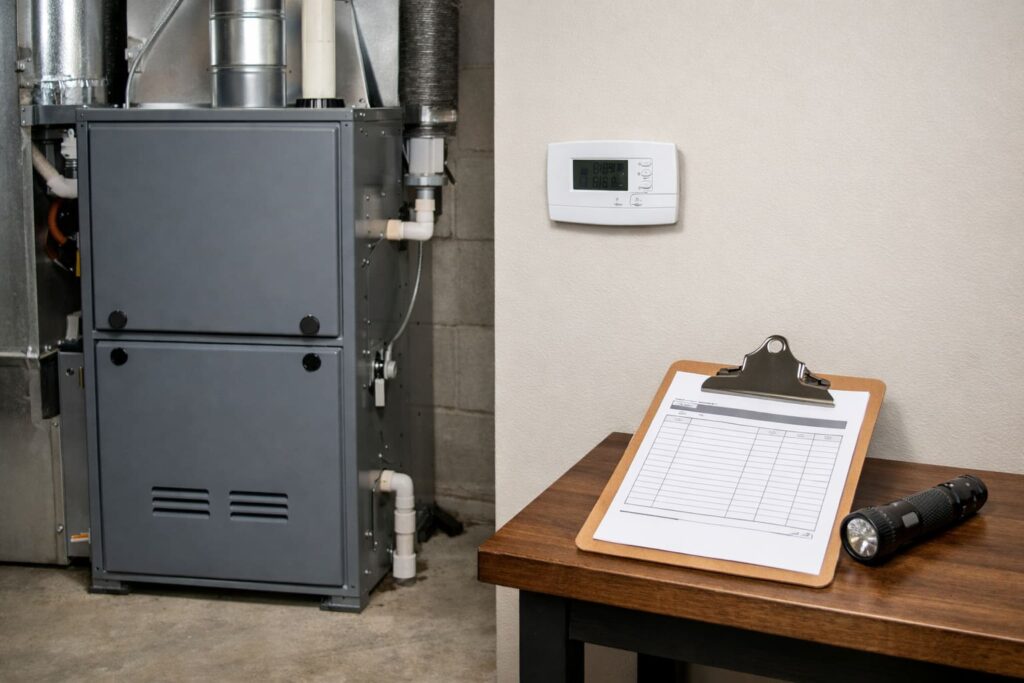
If your heat is on but the airflow is weak, noisy, or inconsistent, you may be wondering about furnace blower motor replacement cost. For many homeowners, the total cost centers around about $560 on average, but the real price can range much higher depending on the motor type, furnace design, labor, access, and warranty coverage.
A furnace blower motor is the part that moves heated air through your ductwork and into your rooms. The U.S. Department of Energy — Furnaces and Boilers explains that furnaces heat air and distribute it through ducts, so blower problems often show up as airflow and comfort problems rather than a total loss of heat. Carrier’s Furnace Blower Motor Repair and Replacement Guide also says repair or replacement typically involves electrical work and is generally best handled by a professional.
Quick Checks First
Most homeowners pay around $560 on average, but the full cost can vary from a relatively modest repair bill to a much more expensive replacement if the system uses a premium motor or the job is difficult to access.
The biggest cost drivers are usually:
- motor type
- horsepower
- labor and service access
- warranty status
- local HVAC pricing
If you notice smoke, overheating, a burning smell, or repeated breaker trips, stop using the furnace and call a licensed HVAC technician.
What a Furnace Blower Motor Does
The blower motor powers the fan that pushes warm air through the furnace and out into the home. Without a working blower motor, the furnace may still create heat, but it cannot circulate that heat properly through the duct system. Carrier describes the blower motor as a crucial component for circulating warm air, and DOE’s furnace overview supports that bigger picture of heated air moving through ducts.
Average Furnace Blower Motor Replacement Cost
A strong current benchmark comes from Angi — How Much Does a Blower Motor Replacement Cost in 2026?. It lists the average blower motor replacement cost at $560 and notes that some higher-end or harder-to-reach jobs can climb to $2,400. It also says that if the part is still under warranty, some homeowners may pay only about $150 in labor.
A second current pricing source, This Old House — What Is the Cost of a Furnace Blower Motor?, reinforces why this repair should be treated as a range rather than a single flat number. Its 2026 guide shows that the motor itself can vary widely in price, with professional installation added on top.
What Affects Furnace Blower Motor Replacement Cost
1. Motor type
This is often the biggest factor.
Modern furnaces may use more advanced blower motor designs than older systems. Lennox’s official buyer guidance, What is a Variable Speed Furnace?, says “variable speed” refers to the indoor blower motor moving at different speeds to control airflow more precisely. Carrier also markets variable-speed systems as improving comfort and operation. In general, more advanced ECM and variable-speed systems usually cost more to replace than simpler standard motors.
2. Horsepower
Motor size matters. Current 2026 pricing guides show that larger horsepower motors tend to cost more than smaller ones.
3. Labor and access
An easily reached motor usually costs less to replace than one located in a tight attic installation, crawlspace setup, or more complex cabinet. Labor and access can have a major effect on the final quote.
4. Warranty status
Warranty coverage can change the bill dramatically. If the motor is still covered, the homeowner may mostly be paying for labor rather than the full part cost.
5. Regional labor rates
Even with the same motor, the total can change based on local HVAC labor pricing, service-call fees, and seasonal demand. That is one reason online national averages are helpful as a starting point, not a final quote.
Basic Motor Types and Why They Change the Price
Standard or simpler blower motors
Older or more basic furnaces may use less advanced blower motor setups. These are often cheaper to replace than newer ECM or variable-speed designs, although exact pricing still depends on size and labor. Carrier’s comparison-style furnace materials distinguish simpler blower operation from more advanced variable-speed performance.
Constant-torque ECM motors
Some newer furnaces use constant-torque ECM motors. These are more advanced than older basic designs and can raise the replacement price. Lennox product literature for newer furnaces includes constant-torque ECM blower motors as a feature on certain models.
Variable-speed ECM motors
Variable-speed ECM blower motors are usually found in higher-feature furnaces. Lennox’s official buyer guidance says these motors adjust speed to control airflow more precisely, which supports quieter and more even comfort. That added sophistication is one reason replacement costs are often higher.
Video: motor type and why it affects cost
This official Lennox video helps explain why variable-speed blower systems are different from simpler motors, which directly supports the cost section on motor type.
Signs Your Furnace Blower Motor May Need Replacement
Carrier’s current blower motor guide highlights several warning signs that can point to blower trouble.
Weak airflow
If the furnace is running but rooms are still cold or airflow feels weak at multiple vents, the blower motor may be struggling. Carrier lists weak airflow as a common sign.
Strange noises
Grinding, squealing, rattling, or banging can point to blower motor wear or related blower assembly problems. Carrier includes unusual noises among the warning signs.
Repeated breaker trips
If the furnace keeps tripping a breaker, stop resetting it over and over. Carrier lists repeated breaker trips as a serious sign.
Overheating, smoke, or burnt parts
These are immediate stop signs. Carrier specifically calls out overheating, smoke, and burnt parts as reasons to get professional help.
Corrosion or moisture damage
Visible rust, moisture damage, or corrosion can also point to blower or system trouble that goes beyond a simple homeowner check.
Video: blower-related fault example
This official Lennox troubleshooting video shows a real furnace fault scenario tied to blower-related service conditions and fits the symptom-based sections better than a risky DIY replacement walkthrough.
What To Do First Before You Approve the Repair
Before you approve a blower motor replacement, ask a few practical questions.
Ask what type of motor your furnace uses
This helps explain why one quote may be much higher than another. A variable-speed ECM motor is not priced like a simpler motor.
Ask whether the quote uses an OEM or aftermarket motor
Not every replacement quote is based on the same kind of part. In its homeowner blower motor guide, Carrier notes that the cost can change based on the brand of motor and whether you choose an OEM (original equipment manufacturer) part or an aftermarket replacement. Carrier also says OEM parts generally cost more if they are not covered under warranty, but they may offer better compatibility and reliability. That makes this one of the most important questions to ask when two quotes are far apart.
Ask whether the part is still under warranty
If it is, your cost may drop significantly.
Ask whether the quote includes labor and related parts
Some jobs include only the motor, while others may include diagnostics, removal, testing, or related components.
Ask whether the quote is truly for the motor only
A blower problem is not always limited to the motor itself. Carrier’s blower motor guide explains that the blower system also includes parts such as the fan blades, housing, and control board. If the technician finds damage beyond the motor, the final repair cost can rise above a simple motor-only replacement. Ask the contractor to spell out whether the price is for the motor alone or for a larger blower-related repair so you can compare quotes fairly.
Ask whether replacement still makes sense given the furnace’s age
If the furnace is otherwise in good shape, replacing the blower motor may be reasonable. Carrier says replacing a blower motor can be worth it if the furnace is still in good condition and the new motor restores airflow and efficiency.
Homeowner-Safe Troubleshooting Before You Call
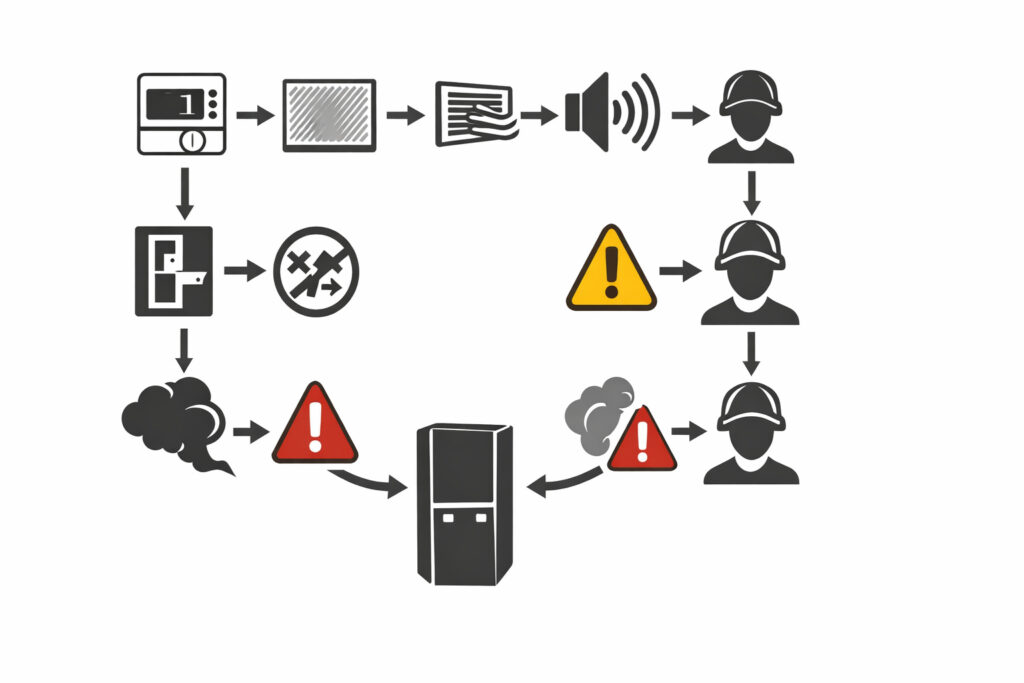
There are a few safe checks you can make before scheduling service.
Check the thermostat
Make sure the system is actually calling for heat and that the fan settings are where you expect them to be.
Check the air filter
A badly clogged filter can restrict airflow and make the system act like the blower motor is failing. Carrier’s Guide to Annual Furnace Maintenance, Service & Inspection includes cleaning and blower-related inspection as part of routine professional maintenance.
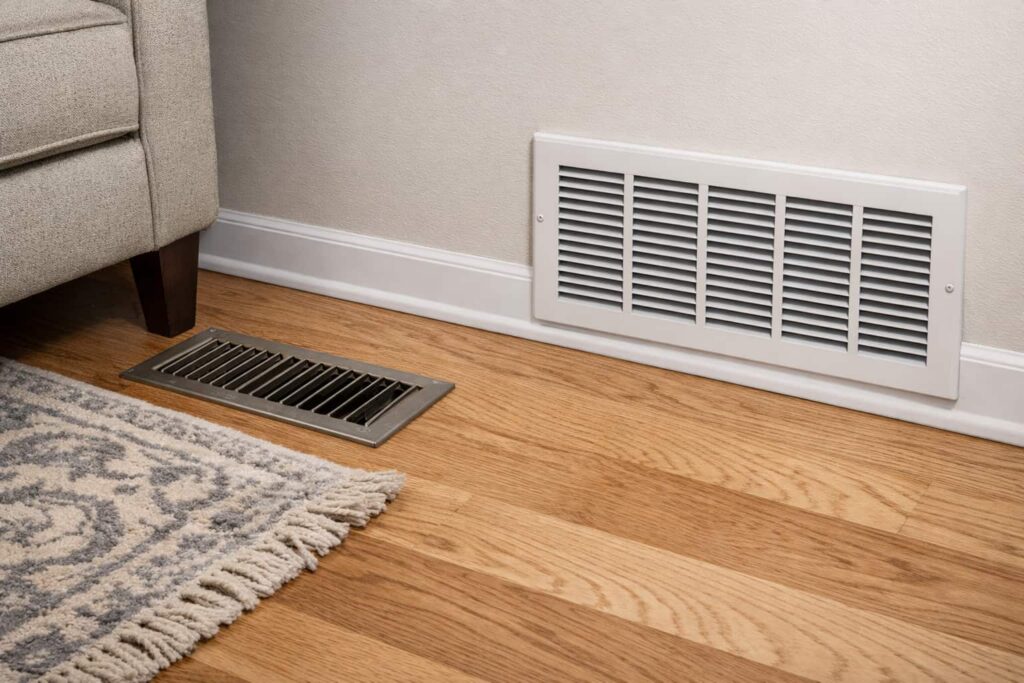
Check supply registers and return vents for blockage
Before assuming the blower motor has failed, make sure furniture, rugs, curtains, or closed vents are not restricting airflow. In its official furnace troubleshooting guidance, Trane — Furnace Keeps Tripping Breaker says clogged filters, blocked supply registers, and blocked return vents can all make a furnace work harder and can even contribute to breaker trips. This is a quick, safe check that can help you rule out a simpler airflow problem before you approve a costly repair.
Check the breaker once
If the breaker has tripped, note it as a symptom. Do not keep resetting it repeatedly if it trips again. Carrier identifies repeated breaker trips as a warning sign.
Listen for the type of noise
A hum, squeal, grinding noise, or complete silence gives the technician clues about what may be wrong.
Check airflow at more than one vent
If the issue is happening throughout the house, that is more consistent with a blower or whole-system airflow issue than a single blocked room.
Stop and Call a Pro
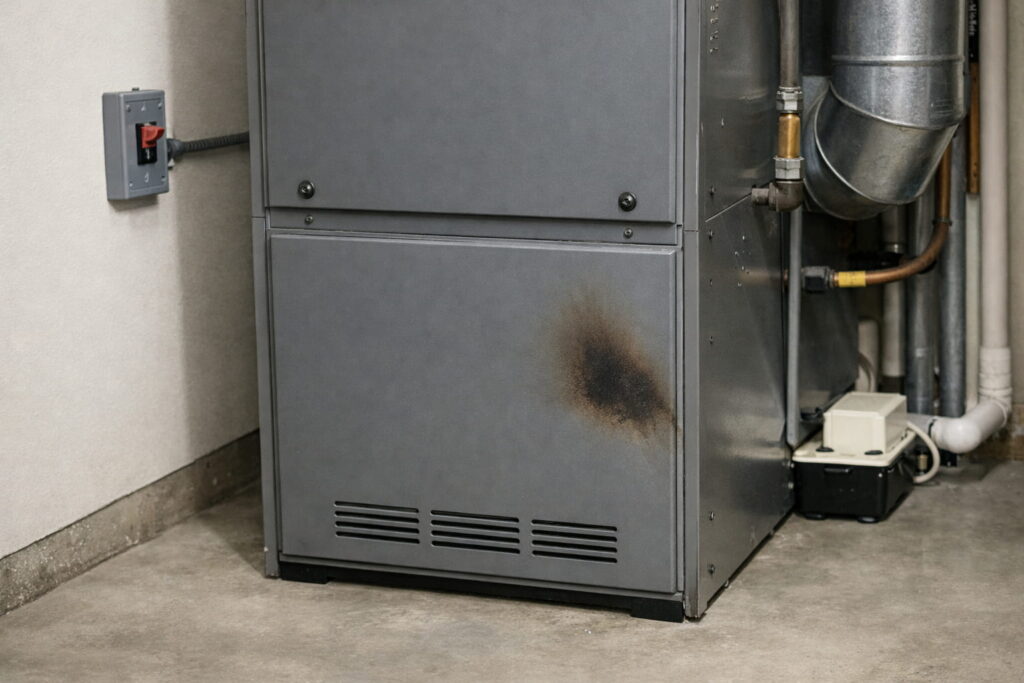
Stop troubleshooting and call a licensed HVAC technician if:
- the motor is smoking
- you smell burning insulation or hot electrical parts
- the furnace keeps tripping the breaker
- you see burnt wiring, corrosion, or moisture damage
- the repair would require electrical disassembly or deeper component access
Carrier’s homeowner guidance is clear that blower motor repair or replacement generally involves electrical work and is usually best left to a professional.
Repair vs Replacement: When Paying for a New Motor Makes Sense
Replacing the blower motor often makes sense when the furnace is otherwise reliable and the problem is limited to the motor or blower assembly. Carrier says replacing a blower motor can be worthwhile if the rest of the furnace is still in good condition.
On the other hand, if the furnace is older, has multiple problems, or needs frequent expensive repairs, it may be time to compare this repair against a larger replacement decision. Carrier’s Step-by-Step HVAC Replacement Guide notes that components like blower motors can fail independently, but broader replacement becomes more reasonable as systems age and problems stack up.
A Simple Cost Framing You Can Use
For most homeowners, this repair makes the most sense when you think about it in three tiers:
Lower end
A simpler motor, easier access, or warranty coverage can keep the bill down.
Mid range
A typical residential blower motor replacement with ordinary labor often lands around the current national-average zone.
Higher end
A variable-speed or other premium motor, difficult access, or higher local labor rates can push the bill much higher.
That framing is more realistic than expecting one flat national price to apply to every home.
Frequently Asked Questions
How much does furnace blower motor replacement cost on average?
A current 2026 pricing guide from Angi puts the average at about $560, though harder or higher-end jobs can cost much more.
Why is a variable-speed blower motor more expensive?
Because it is a more advanced motor that adjusts airflow more precisely than a simpler standard motor. That added complexity usually raises replacement cost.
Can I replace a furnace blower motor myself?
For most homeowners, this is not a safe DIY repair. Carrier says blower motor repair and replacement typically involve electrical work and are generally best left to a professional.
Can a bad blower motor cause weak airflow?
Yes. Since the blower motor is the component that moves heated air through the ductwork, a failing motor can cause weak airflow and uneven heating.
Does warranty coverage lower furnace blower motor replacement cost?
Often, yes. If the part is under warranty, some homeowners may mostly pay labor rather than the full replacement price.
Should I replace the blower motor or replace the whole furnace?
That depends on the furnace’s age, overall condition, and whether the problem is limited to the motor. If the rest of the furnace is still in good shape, blower motor replacement may be the better value.
Conclusion
Furnace blower motor replacement cost is one of those repairs where the details matter. The final price depends heavily on the kind of motor your furnace uses, whether the part is still under warranty, how hard the job is to access, and what HVAC labor costs in your area.
The safest next step is to confirm the exact motor type, ask whether the part is still covered, and get a quote that separates parts from labor. If your furnace is showing weak airflow, strange noises, smoke, or repeated breaker trips, do not ignore it. A prompt professional diagnosis can help you avoid a bigger breakdown and make a smarter repair-versus-replace decision.
Sources / References
- Carrier — Furnace Blower Motor Repair and Replacement Guide
- U.S. Department of Energy — Furnaces and Boilers
- Angi — How Much Does a Blower Motor Replacement Cost in 2026?
- This Old House — What Is the Cost of a Furnace Blower Motor?
- Lennox — What is a Variable Speed Furnace?
- Carrier — Guide to Annual Furnace Maintenance, Service & Inspection
- Trane — Furnace Keeps Tripping Breaker
- Carrier — Step-by-Step HVAC Replacement Guide