

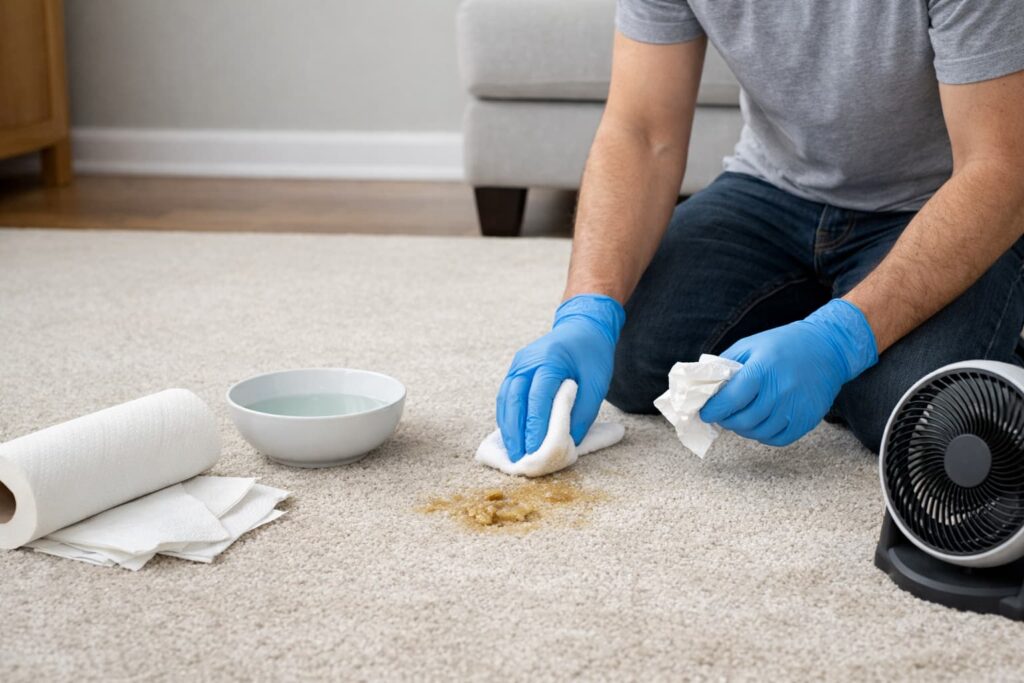
To get vomit smell out of carpet, remove the solids, blot/extract the liquid, then clean and fully dry the area so odor-causing residue can’t linger (or wick back up). If the smell keeps returning, it’s often because the mess reached the pad or subfloor—at that point, deeper extraction or a pro may be needed.
Vomit is a body-fluid spill, so this guide is both carpet-safe and hygiene-aware—without risky chemical advice.
Safety first (read before you start)
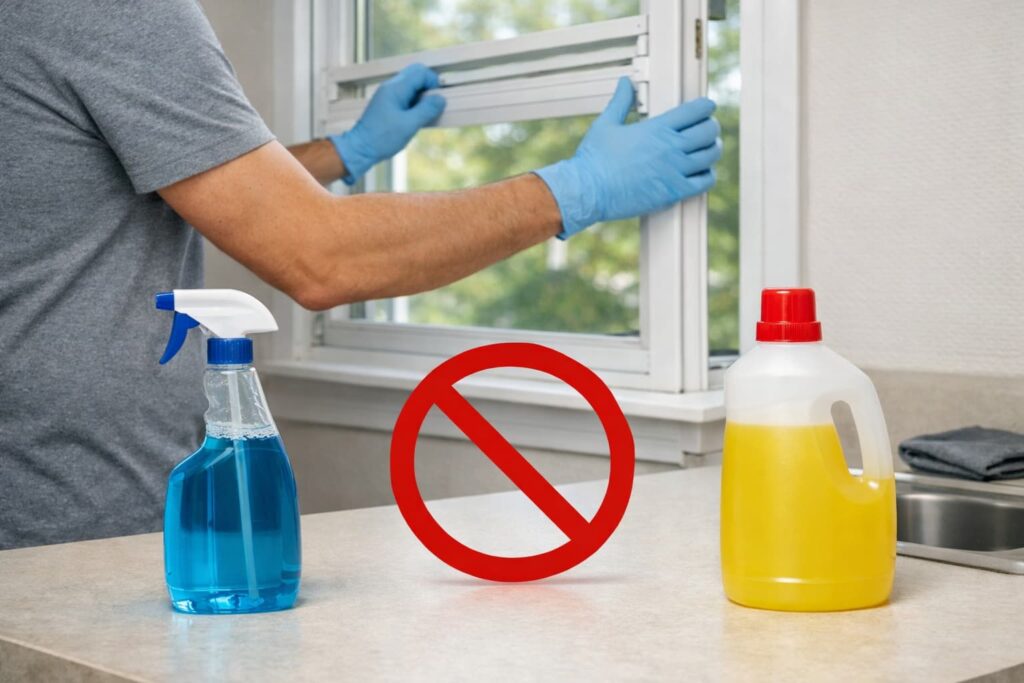
- Ventilate the room (open windows, run fans if you have them).
- Wear disposable gloves and consider a mask if you’re sensitive to odors.
- Do not mix cleaning chemicals. Mixing products (especially bleach with ammonia-containing cleaners) can create dangerous gases. See CDC — How to Clean and Disinfect and Washington State Department of Health — Bleach Mixing Dangers.
- If anyone is sick with a vomiting illness, treat cleanup seriously: clean first, then disinfect where appropriate, following a two-step process recommended in CDC — Environmental Cleaning Procedures.
What you’ll need
- Paper towels or clean white cloths (white reduces dye transfer risk)
- A spoon/scraper + trash bag
- A bowl/bucket of cool water
- A carpet spot cleaner that’s appropriate for your carpet (ideally a tested/approved product)
- Optional: wet/dry vac or carpet extractor (best for odor)
- Fans for drying
Quick prep (30 seconds): Before using any cleaner, spot test it in a hidden area (inside a closet corner or under furniture). Blot with a white cloth and check for color transfer or texture change. If you see dye, fuzzing, or sticky residue, stop and switch to a carpet-approved product or call a pro.
If you’re unsure what’s safe on your carpet, check your carpet maker’s care guidance first (example: Shaw Floors — Carpet Care & Maintenance).
Fast, safe steps to get vomit smell out of carpet
Step 1: Remove solids carefully (don’t grind it in)
- Scoop up solids with a spoon/scraper.
- Lift material up and off the carpet—avoid pressing it into the fibers.
- Bag and tie off trash.
Why this matters: Odor comes from leftover organic residue. The less you smear, the less you’ll fight later.
Optional but helpful (especially for larger messes): Put a clean towel around the outer edge of the spill area to catch runoff while you blot and clean. This helps keep the mess from spreading into nearby carpet.
Step 2: Blot and extract—don’t rub
- Press paper towels or a clean white cloth into the area to soak up liquid.
- Replace towels and repeat until you’re not pulling much moisture.
Carpet-care guidance commonly stresses blotting, not scrubbing, to avoid damaging pile and spreading the mess. See Carpet and Rug Institute — Stains 4-1-1 Best Practices.
Best tool if you have it: A carpet extractor or wet/dry vac can remove far more liquid than towels, which helps prevent odor from soaking into the pad.
This Shaw Floors video shows the basic “blot first, then clean” technique that supports this step.
Step 3: Clean the spot using a carpet-appropriate cleaner
- Apply a carpet spot cleaner that’s intended for your carpet type.
- Follow the product label exactly.
- Work from the outside edge toward the center to avoid spreading.
If you want a safer “shortlist” when shopping, look for products and equipment evaluated under the Carpet and Rug Institute — Seal of Approval Program.
Step 4: Rinse lightly, then extract again (this is the odor step most people skip)
After cleaning, you want to remove leftover cleaner and loosened residue.
- Dampen a cloth with clean water and blot the area (avoid over-wetting).
- Extract again with towels or an extractor until as dry as you can get it.
Carpet-care instructions commonly emphasize thorough removal of moisture after spot cleaning to reduce residue and prevent recurring issues. See Mohawk — Carpet Care Brochure (PDF).
Step 5: Dry fast (odor loves damp carpet)
- Put a fan blowing across the area (not directly down into the carpet).
- Keep the room ventilated.
- Avoid walking on the spot until it’s fully dry.
After it’s fully dry: Vacuum the area to lift the pile back up. This can improve airflow in the fibers and helps the spot blend visually so it doesn’t look flattened after heavy blotting.
Quick reality check: If the carpet feels dry on top but the pad is still damp, odor can return later.
This Mohawk video reinforces the “clean, remove residue, and dry thoroughly” approach that helps prevent odors from returning.
If the smell comes back: diagnose what’s really happening
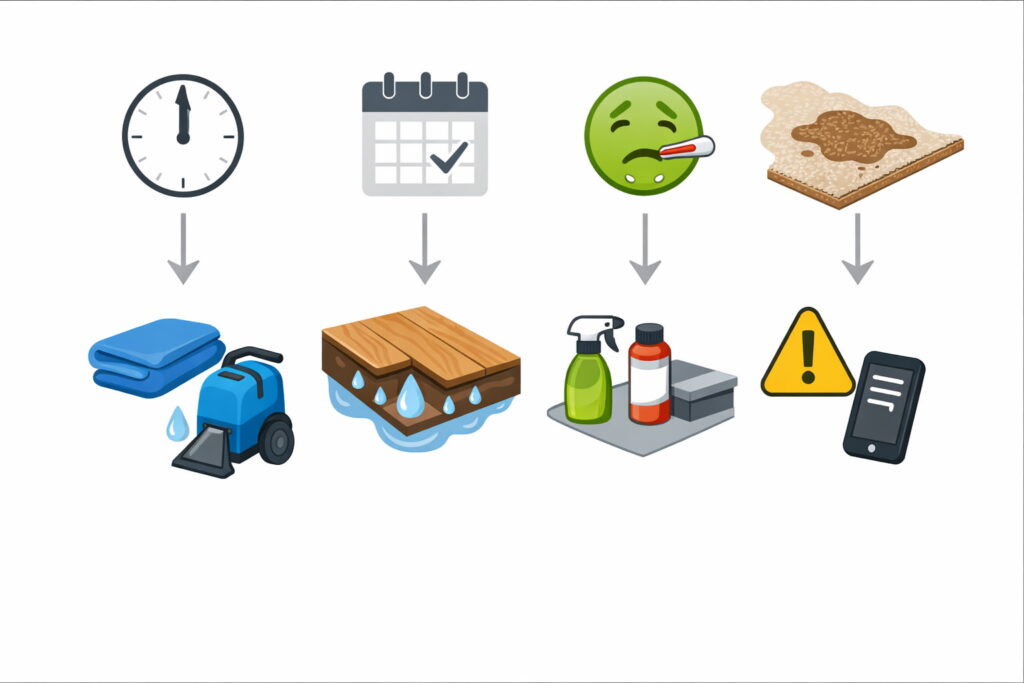
Scenario A: The smell returns the next day (or after humidity)
Likely cause: Wicking from the pad/subfloor or residue left behind.
What to do next (safe homeowner checks):
- Press a dry towel firmly into the area for 30–60 seconds. If it picks up moisture or odor, it’s not dry deep down.
- Smell-test near the edges and baseboard. Stronger odor at edges can hint the spill traveled.
Best next step: Deep extraction (carpet extractor or professional hot-water extraction). If the pad is contaminated, cleaning the surface alone may not solve it.
Scenario B: It was a large spill, or you’re cleaning up after a stomach bug
Important limit: Carpets and other soft surfaces are hard to disinfect completely compared to hard, nonporous surfaces. CDC infection-control guidance notes this challenge and stresses prompt cleaning on soft surfaces. See CDC — Norovirus Guidelines: Summary Recommendations.
Practical approach:
- Focus on thorough cleaning + extraction + drying.
- Disinfect hard surfaces nearby (trash can lid, bathroom floor, nearby doorknobs) following product labels.
- If using disinfectants, choose EPA-registered products and follow label directions and precautions. See US EPA — Selected EPA-Registered Disinfectants.
Don’t forget the “splash zone”: After handling the carpet area, wipe down nearby high-touch and nearby hard surfaces (trash can lid, light switches, bathroom fixtures, door handles, and any floor surfaces near the spill) using a disinfectant according to its label. This is often where lingering germs and odors spread—even when the carpet looks clean.
Some public-health cleanup materials suggest steam cleaning for carpets/upholstery when disinfectants aren’t practical on soft surfaces. See the Norovirus Cleanup & Disinfection Poster (PDF).
Scenario C: The odor is concentrated in one spot and won’t budge
Likely cause: The pad is saturated, or the carpet backing/subfloor absorbed it.
Next step: Consider professional cleaning, and be prepared that pad replacement may be the only true fix if contamination soaked through.
This Carpet and Rug Institute video provides additional best-practice carpet cleaning guidance that supports the “escalate to deeper extraction” plan.
What NOT to do (common mistakes that lock in odor)
- Don’t scrub hard. It can spread contamination and distort carpet fibers. (See CRI best practices above.)
- Don’t over-wet the carpet trying to “rinse it out.” Too much water can push contamination deeper and slow drying.
- Don’t dump random household chemicals together. Besides damage to carpet, chemical mixing can be dangerous. (See CDC + WA DOH above.)
- Don’t assume “it smells fine” until it’s fully dry. Odor can return as moisture moves upward.
Stop and call a pro (non-negotiable situations)
Call a professional carpet cleaner or restoration company if:
- The spill area is large, soaked through, or reached the pad/subfloor (odor keeps returning after extraction).
- Anyone in the home is high-risk (infants, elderly, immunocompromised) and you need a higher-confidence outcome.
- You suspect ongoing moisture issues or you see signs of water intrusion (mold/moisture boundary).
- You’d need to pull up carpet/pad or treat the subfloor to fix the smell.
- The carpet is wool, a specialty rug, or has unknown backing/materials—and you’re not 100% sure the cleaner is compatible (delicate fibers and dyes can react unpredictably).
Quick checklist (save this)
- Remove solids without smearing
- Blot/extract thoroughly (don’t rub)
- Clean with carpet-appropriate spot cleaner (follow label)
- Light rinse + extract again
- Dry fast with airflow
- If odor returns, suspect pad/subfloor and escalate to deep extraction or a pro
FAQs
How long does it take to get vomit smell out of carpet?
It can improve the same day, but the true test is after the carpet is fully dry. If odor returns later, moisture or residue may still be in the pad.
Can I use bleach to remove vomit smell from carpet?
Bleach can discolor carpet and isn’t generally a safe go-to for soft surfaces. Also, never mix bleach with other cleaners. Follow CDC guidance and product labels.
Why does the smell come back after I cleaned it?
Most often, liquid soaked into the pad or subfloor, or cleaner/residue wasn’t fully extracted. Deep extraction and fast drying usually matter more than “stronger chemicals.”
Is carpet disinfectable after vomit?
Soft surfaces are harder to disinfect fully than hard, nonporous surfaces. CDC infection-control guidance emphasizes prompt cleaning and recognizes limits for soft surfaces. If you need higher confidence (especially during illness outbreaks), consider professional cleaning.
What’s the best way to avoid permanent odor?
Extract as much liquid as possible early, clean appropriately, rinse/extract again, and dry fast. That combination reduces what can stay behind and cause odor.
Should I replace the carpet pad?
If the pad is soaked and odor keeps returning despite proper extraction, pad replacement may be the only lasting solution. A professional can confirm by assessing how deep contamination traveled.
Conclusion
Getting vomit smell out of carpet comes down to three things: remove residue, extract moisture, and dry fast. If the odor keeps coming back, treat it as a sign the pad or subfloor absorbed the spill—and don’t hesitate to bring in a professional for deep extraction or pad replacement.
Sources / References
- Shaw Floors — Carpet Care & Maintenance
- Carpet and Rug Institute — Carpet Stains 4-1-1 Best Practices
- Carpet and Rug Institute — Seal of Approval Program
- Mohawk — Carpet Care Brochure (PDF)
- CDC — Environmental Cleaning Procedures
- CDC — Norovirus Guidelines: Summary Recommendations
- CDC — How to Clean and Disinfect
- Washington State Department of Health — Bleach Mixing Dangers
- US EPA — Selected EPA-Registered Disinfectants
- Norovirus Cleanup & Disinfection Poster (PDF)